Initial development
The agreed design, development, integrations, and launch work. We scope a useful first version before adding more.
We connect the tools you already use, so follow-ups, scheduling, reports, and publishing happen without anyone retyping or remembering them.
We start with a 15-minute conversation. Any paid work needs your written approval.
An illustrative journey, not a client’s workflow.
We agree on the deliverables before development begins. Your proposal defines the exact scope.
A map of the agreed workflow, including where a person reviews or intervenes.
Connections between the agreed tools, with clear handling of exceptions.
A tested handoff, documentation, and an agreed plan for ongoing support.
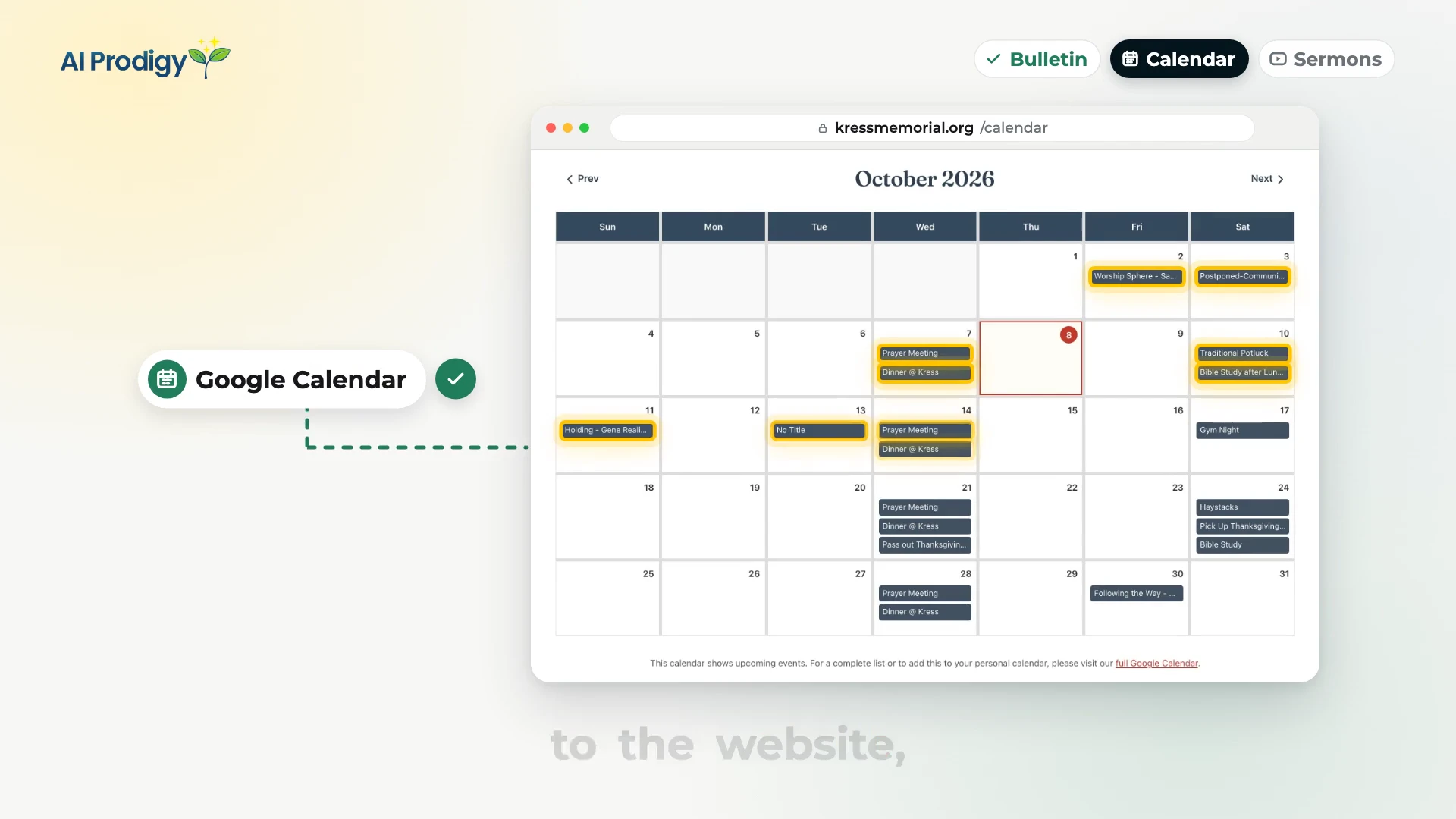
Meet Spark on this website, try our fictional inquiry workflow, or adjust the illustrative automation estimate. These examples show our thinking without exposing a client’s internal systems.
Explore the workflow →Explore the estimate →The number of tools, their integration options, exception handling, and how often the workflow runs.
The agreed design, development, integrations, and launch work. We scope a useful first version before adding more.
Updates, monitoring, backups, and support are scoped separately so you know what is included after launch.
Hosting, domains, licenses, and provider charges are identified in the proposal, including who pays them.
Traffic, storage, messages, and AI usage can affect running costs. We discuss expected usage and budget controls before launch.
Ownership, account access, data export, documentation, and third-party restrictions belong in the agreed scope. We also define who handles updates and how your team gets help.
We start with a 15-minute conversation about your goals, current tools, and main challenge. No technical brief needed.
Together, we decide what to review, what information is needed, what you’ll receive, and when.
If you want to proceed, we put the paid scope, timeline, and price in writing for your approval.
You see working progress along the way. We launch, train your team, and keep it running.
To prepare: share one task or problem, the tools you use, and a public website if you have one. A rough idea is enough.
We agree on ownership, account access, source code, documentation, and handoff in the proposal. Third-party services and licenses retain their own terms. Bring any ownership requirement to the initial conversation so it is explicit before work starts.
We agree on who maintains the system, updates content, monitors operation, and handles incidents. Ongoing care and provider charges are separate from development. Support coverage and response expectations depend on the agreement; Spark cannot promise a universal service level.
We first check the tools, available APIs or exports, permissions, usage limits, and any provider charges. A named integration is unconfirmed until we review it. Sometimes an existing connector or a simpler change is enough; we explain the tradeoffs before proposing custom development.
AI can make mistakes. We define the task, approved sources, review points, fallback, and usage budget before rollout. Consequential decisions stay with a person. A rule, search feature, or existing product may be a better fit. Spark gives reviewed public guidance and cannot approve scope, pricing, or a booking.
Scope comes before a quote or delivery date. We review the first useful version, integrations, content or data preparation, and operating needs. Development, ongoing care, and provider or usage charges are explained separately. The free audit or consultation starts with a 15-minute conversation; review scope and timing are agreed afterward. Paid work needs your written approval.
Tell us what you want to improve or create. We start with a 15-minute conversation, then agree on any review scope and timing together.
We start with a 15-minute conversation. Any paid work needs your written approval.
Prefer email? contact@ai-prodigy.com